Eighty Thousand Library Cards

by BrainStream CEO Steve Alcorn
OpenAI published a piece this week with a title that sounds like a prediction but reads like a report: Australian universities are creating AI-native graduates. The University of New South Wales is bringing ChatGPT Edu to more than 80,000 students and staff. Sydney is staging its rollout for Semester 1, 2027. La Trobe plans universal access for 45,000 people and is opening Australia’s first Bachelor of AI Engineering. Read together, the announcements say a sector has decided: this tool is now infrastructure, like email and light.
The students, it turns out, are ahead of the announcements. In a survey of more than a thousand Australian university students, 81 percent said they already use AI several times a week. A third use it multiple times a day. Twenty-eight percent had already built their own agent or assistant to manage their studies, work or life. The universities are not introducing anything. They are catching up, in bulk, to what their students quietly did on their own last year.
Good. The equity argument in the piece is real: when access runs through the institution, every student gets the same tools regardless of what they can afford, and that is worth what it costs. But the most honest sentence in the announcement is easy to miss. Access to advanced tools is a start, it concedes. What actually makes students AI-ready is using those tools with sound judgment, subject knowledge and practical experience.
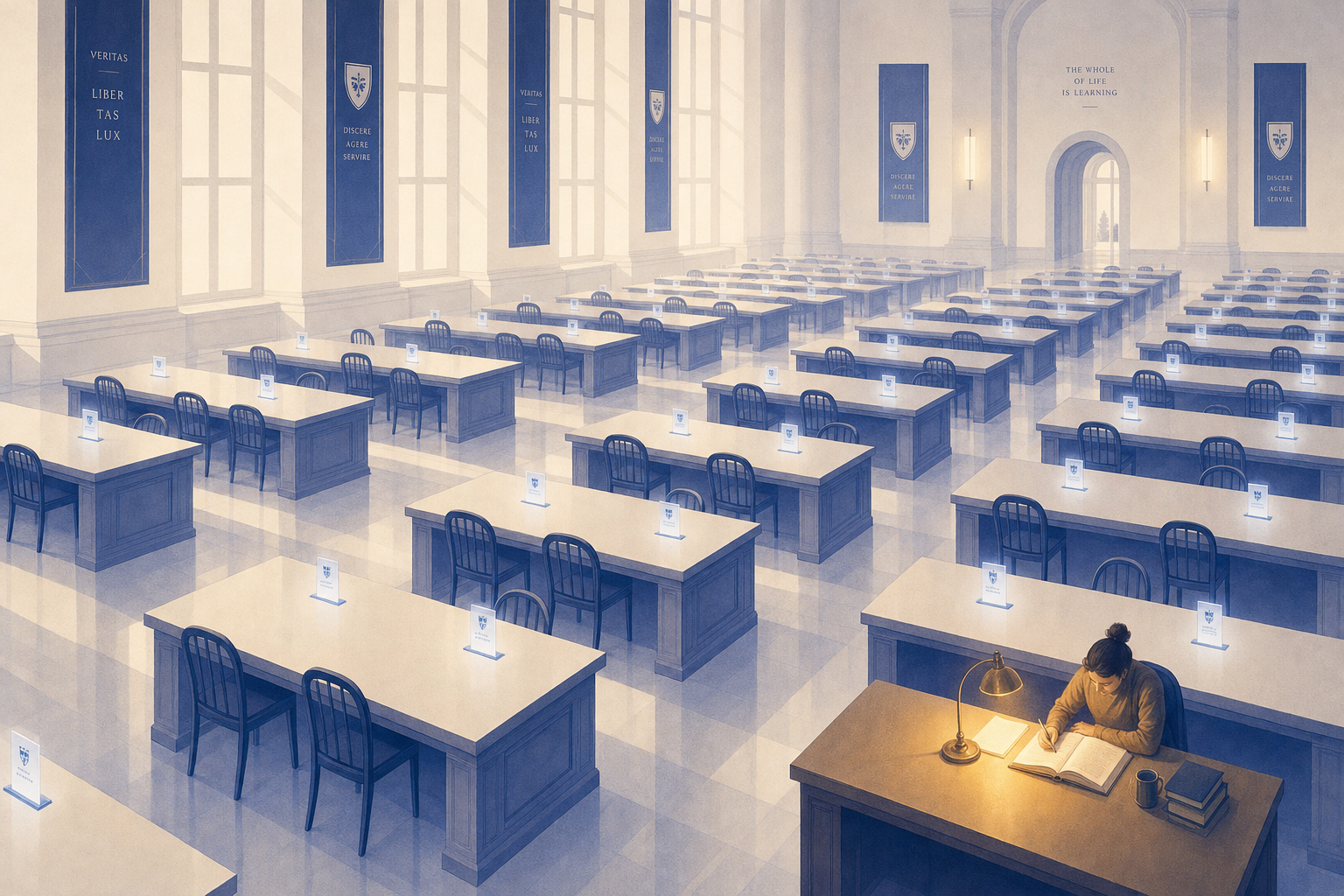
A license confers none of those three. A library card never taught anyone to read.
I have taught writing to adults online for a long time now, long enough to watch a whole parade of tools arrive. Word processors, then spellcheck, then grammar checkers, then everything at once. Each arrival ran the same cycle. Panic first: students will stop learning to spell, to write, to think. Then the quieter truth settled in. The tool amplified whatever habits were already there. Students who asked questions got better with every new tool. Students who wanted finished products got finished products, faster. And every year, somewhere, a manuscript would arrive grammatically flawless and completely inert. Correct sentences with nothing alive in them. The tool had done its job perfectly, and the job was not the point.
Judgment is the thing. Judgment is what tells you the answer looks wrong before you can say why, what sends you back to the source, what catches the fluent sentence that is quietly false. It cannot be handed out with a login. It gets built the only way it has ever been built: by doing work that requires it, in a place where being wrong is cheap.
The best parts of the Australian story are not the licenses. At La Trobe, paramedicine students run practice simulations before anything counts: interpret an ECG, assess a possible heart attack, triage the wounded after a mass casualty event. Trainee teachers practice the hard conversations with Fletch, a small social robot that plays the parent, and Fletch does not always play him kindly. The university’s own heading for this work is practice before it counts. That is the oldest idea in education wearing new clothes. You learn to do by doing, somewhere safe to be wrong first.
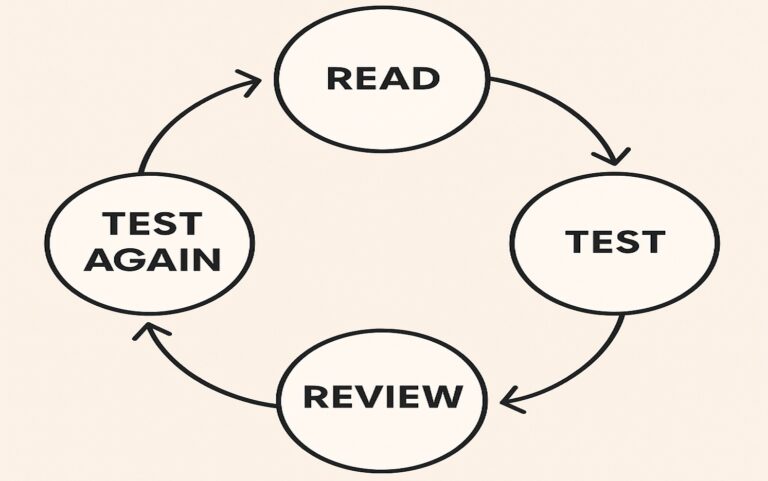
This is the corner of the problem we chose at BrainStream. Our tutor is not a license to a model. It is the practice half. It asks a student a question and waits for the answer. It reads the answer and asks the next one, the one the first answer earned. A student can get a concept wrong three times at midnight with no audience, and the fourth explanation arrives with the same energy as the first. That is what a practice partner is. The universities are buying the access at tremendous scale, which is the right first move. Somebody has to build the practice.
Nearly seven in ten of those surveyed students said AI literacy will become as fundamental as writing itself. If they are right, it will happen the way reading did: not because everyone owned books, but because everyone, at some point, sat alone with one and did the work.
The licenses are landing now, eighty thousand at a time. The doing is the part still left to build.