Redefining Special Education with AI

by BrainStream Chief Operating Officer Tzu-Ying (Kimberley) Chen
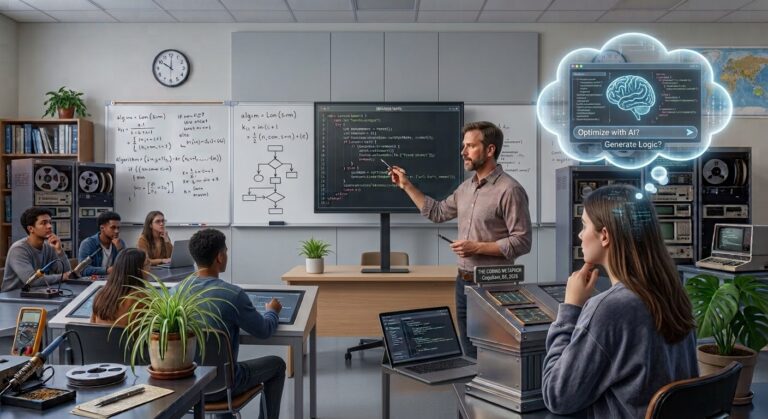
Multiculturalism and inclusive education are foundational values in modern learning systems. With the rise of artificial intelligence (AI), special education is transforming from a support function into a learner-centered space for innovation. As an Education Technology (EdTech) startup, we see AI not merely as a tool, but as essential infrastructure reshaping equitable access to learning.
AI is making highly personalized learning scalable. It can dynamically adapt learning materials and assessments to each student’s abilities, language background, and learning pace, bringing differentiated instruction to life. This real-time adaptation is particularly valuable for students with learning differences, where traditional systems often struggle to provide consistent and precise support.
AI also expands accessibility. Technologies such as speech recognition, text-to-speech, real-time captioning, and multilingual translation do more than assist. They allow students to engage more independently and meaningfully with content, fostering confidence and motivation.
Early intervention and precision support are becoming increasingly achievable. By analyzing learning and behavioral data, AI can identify gaps and potential risks in real time and provide educators with actionable insights. This shift allows special education to move from a reactive model to a proactive approach focused on prediction, prevention, and long-term improvement in learning outcomes.
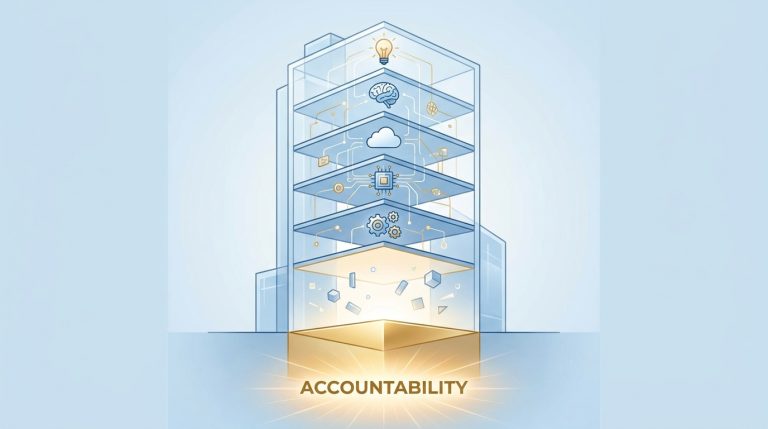
Yet, today’s education landscape is highly decentralized, and factors such as teacher training, data privacy, and resource disparities remain significant challenges for scaling AI solutions. Successful EdTech companies must go beyond product development to build ecosystems that support educators, integrate systems, and align with policy frameworks.
We believe AI can drive special education toward the full realization of Universal Design for Learning (UDL), a future where distinctions between “special” and “mainstream” education fade. When every learner benefits from adaptive content, real-time feedback, and multimodal learning experiences, inclusion becomes not an aspiration, but the default.
In this transformation, true competitive advantage lies not in algorithms alone, but in understanding and responding to the diverse needs of every learner.
#SpecialEducation #AIinEducation #EdTech #InclusiveLearning #UniversalDesignForLearning #BrainStream