Beyond the Classroom: Preparing Students for an AI-First Workforce

by BrainStream Chief Financial Officer Phyllis Chia-Hua Chen
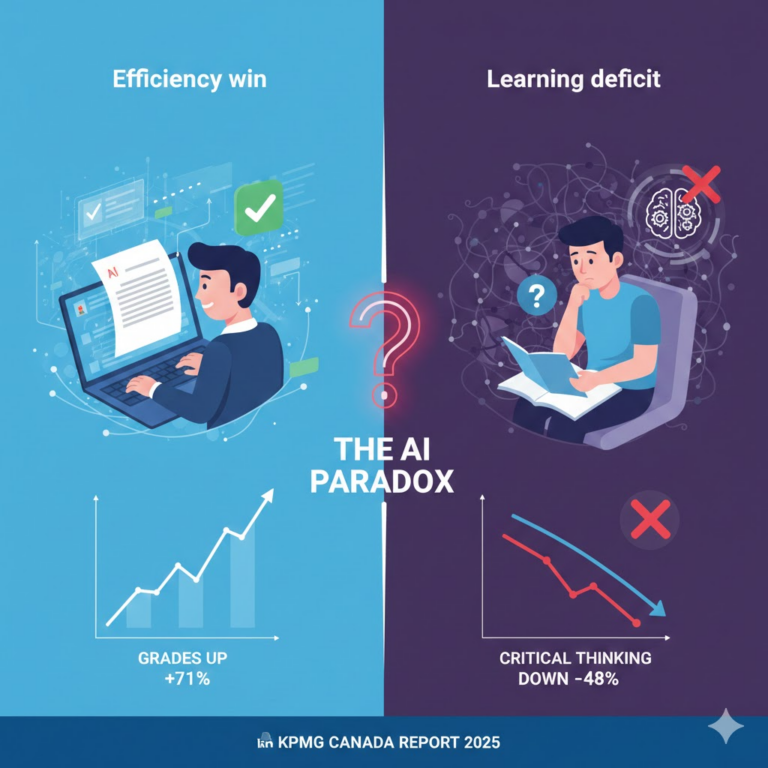
In his recent piece, our CEO Steve Alcorn reflected on MIT’s landmark report on AI in education, highlighting the essential principle of augmenting student effort rather than automating it away. Steve rightfully emphasized that true learning requires productive struggle, critical thinking, and genuine engagement with core concepts.
Building on Steve’s analysis, there is another critical side of this coin that higher education must address: preparing students for a workforce where AI integration is no longer optional.
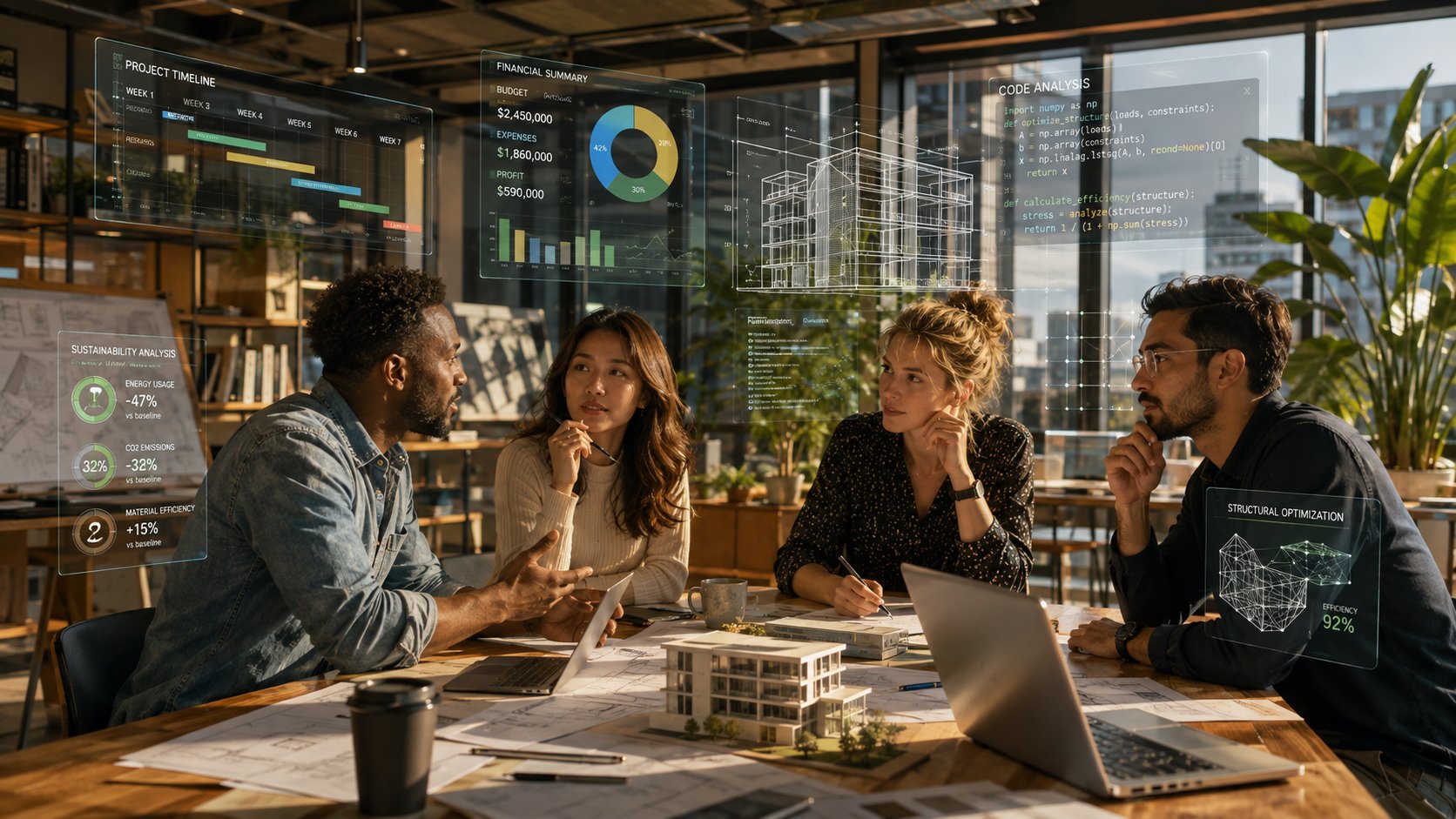
While MIT’s focus on preserving academic integrity and deep cognition is vital, we must also ask what happens after graduation. Different academic departments—from humanities and business to engineering and medicine—approach AI with varying degrees of adoption and skepticism. Yet, regardless of their major, every single student entering tomorrow’s job market will be expected to pair their domain expertise with AI tools to solve complex, real-world problems.
If universities focus solely on restricting or passively accommodating AI, we risk creating a dangerous mismatch between classroom policy and professional reality.
Bridging Domain Expertise and AI Capability
At BrainStream, we view this transition not as a conflict, but as a two-stage learning journey:
1. Mastering the Fundamentals: Students must first engage in the “productive struggle” to build deep, unshakeable domain knowledge. You cannot critically evaluate an AI’s output in finance, law, or engineering if you do not understand the underlying logic yourself.
2. Applying AI as a Professional Lever: Once the foundation is secure, students need structured opportunities to learn how AI intersects with their specific field. A business student needs to learn how to leverage AI for market forecasting; a literature student should explore AI as a research partner; an engineer must learn to audit AI-generated code.
Enhancing BrainStream for Career Readiness
This is where BrainStream’s next evolution comes in. While our adaptive learning platform continues to serve as a patient, interactive tutor that guides students through foundational learning gaps, we are actively strengthening how our system supports discipline-specific AI workflows.
By designing learning environments tailored to different academic majors, BrainStream aims to help students move seamlessly from mastering core concepts to applying AI collaboratively in their chosen fields.
The goal of higher education should not be to protect students from AI, nor should it hand over the learning process to autonomous bots. It should be to cultivate resilient thinkers who command these technologies with confidence and professional capability.