The Difference Between AI That Replaces Thinking and AI That Improves It

by BrainStream CEO Steve Alcorn
Ethan Mollick published a piece this week called Choosing to Stay Human that gets at something we think about constantly at BrainStream: the difference between AI that does the work for you and AI that helps you do better work yourself.
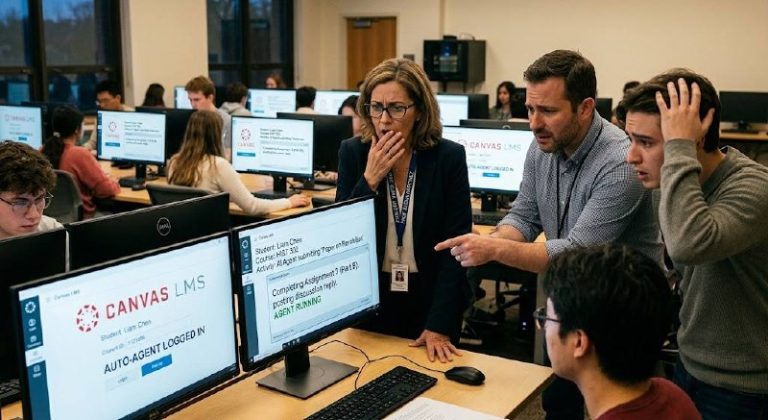
The research he cites is striking. In a Turkish high school experiment, students who used ChatGPT for math homework performed worse on exams than students without it. The AI gave them answers. Answers aren’t learning. But in a separate five-month study in Taipei, students who used an AI tutor that personalized their problem sequences scored the equivalent of six to nine months ahead on the final exam. Same technology. Opposite outcomes. The difference was whether the AI replaced the student’s effort or directed it.
Mollick calls the bad version “cognitive surrender” — letting AI do your thinking because it’s easier than doing it yourself. His Wharton colleagues documented how people stop evaluating AI output even when it’s wrong, simply because the answers look authoritative. The uncomfortable truth is that the default mode of every major AI tool is designed to give you answers, not to make you think harder.
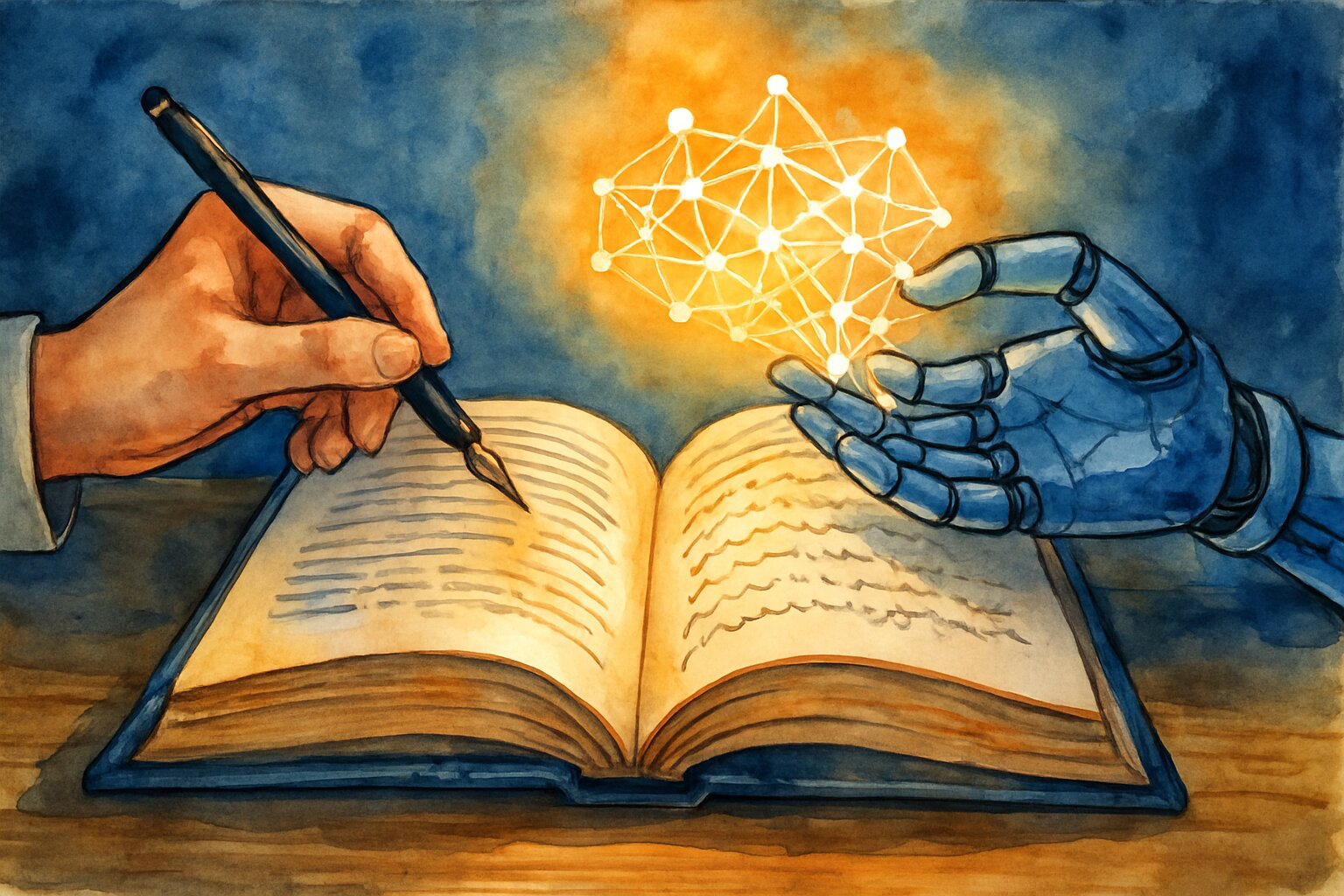
This is exactly the problem BrainStream was built to address. AI in education has enormous potential, but only when the system is designed around learning outcomes rather than convenience. A tutor that hands you the answer is a cheat sheet. A tutor that identifies your weak spots and adjusts the difficulty is a teacher. The technology is identical; the design philosophy is everything.
Mollick points out that the major AI companies now offer learning-oriented modes — Gemini’s Guided Learning, ChatGPT’s /learn command, Claude’s learning style — but they’re buried in menus and non-obvious to access. That’s because learning mode fights the commercial incentive. Users want fast answers. Platforms optimize for engagement and retention. Nobody’s retention metric improves when the AI says “try this yourself first.”
The most important line in the piece: “We are at the point where the defaults are being set for what kind of work to give AI.” Those defaults are being shaped right now — by tool designers, by employers, by educators, and by millions of individual habits forming in real time. Once a generation of students learns to surrender their thinking to AI, reversing that habit will be extraordinarily difficult.
At BrainStream, we believe AI should make people smarter, not lazier. That requires building educational AI that is intentionally harder to use than a search bar — because the friction is where the learning happens.
Read the full article on Mollick’s Substack. It’s one of the clearest summaries I’ve seen of why getting AI in education right matters more than getting it deployed fast.